Etsy Style Algorithm, Crate & Barrel Product Placement, CBD $24BN, Buck Mason No VC, Water Investment, Denim by Under Armour Vets, Beauty Blow Up $532 BN
Covering commerce daily from Amazon to Zulily. Have a great weekend!
How Etsy taught style to an algorithm - FastCompany
From “romantic” to “rustic,” the marketplace for handcrafted goods that express distinctive aesthetics is teaching its search engine to know what’s what.
Using the 43 styles as a framework, Fisher’s group assembled 3 million data points from a month’s worth of search queries to feed into its machine learning model.
Likewise, standard approaches to image recognition couldn’t do the job on their own, since style isn’t solely about color patterns or other visuals that are easy for an algorithm to pick up on.
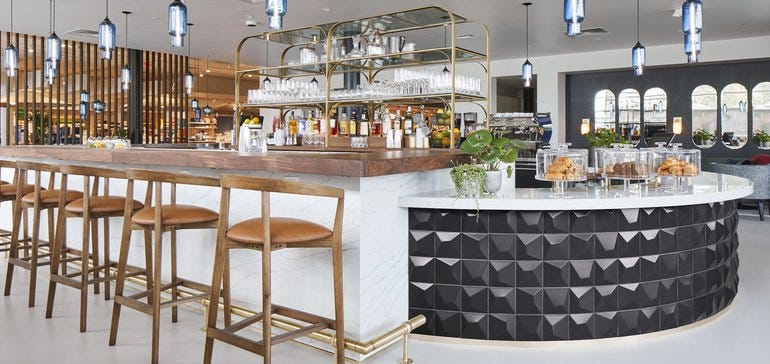
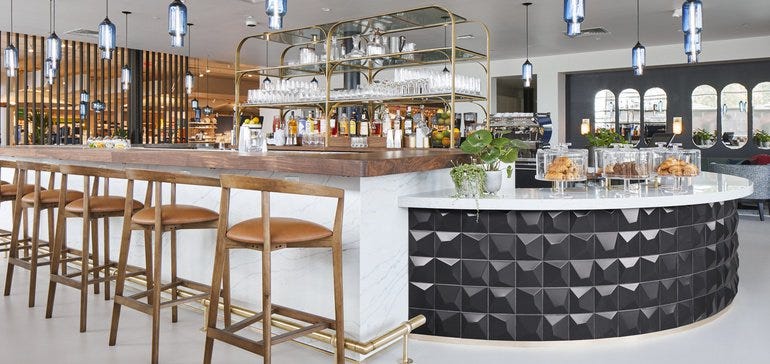
Crate & Barrel serves up 1st restaurant concept - RetailDive
The retailer opened The Table at Crate in collaboration with Cornerstorne Restaurant Group, showcasing its products at a sit-down eatery with bar.
Earlier this year, Neiman Marcus opened a flagship in New York's Hudson Yards that includes three restaurants led by a former Eataly chef.
By entering existing retail space, whether it be a department store or grocery outlet, restaurant companies can experiment with how they connect with customers and amplify their brand presence at little cost.
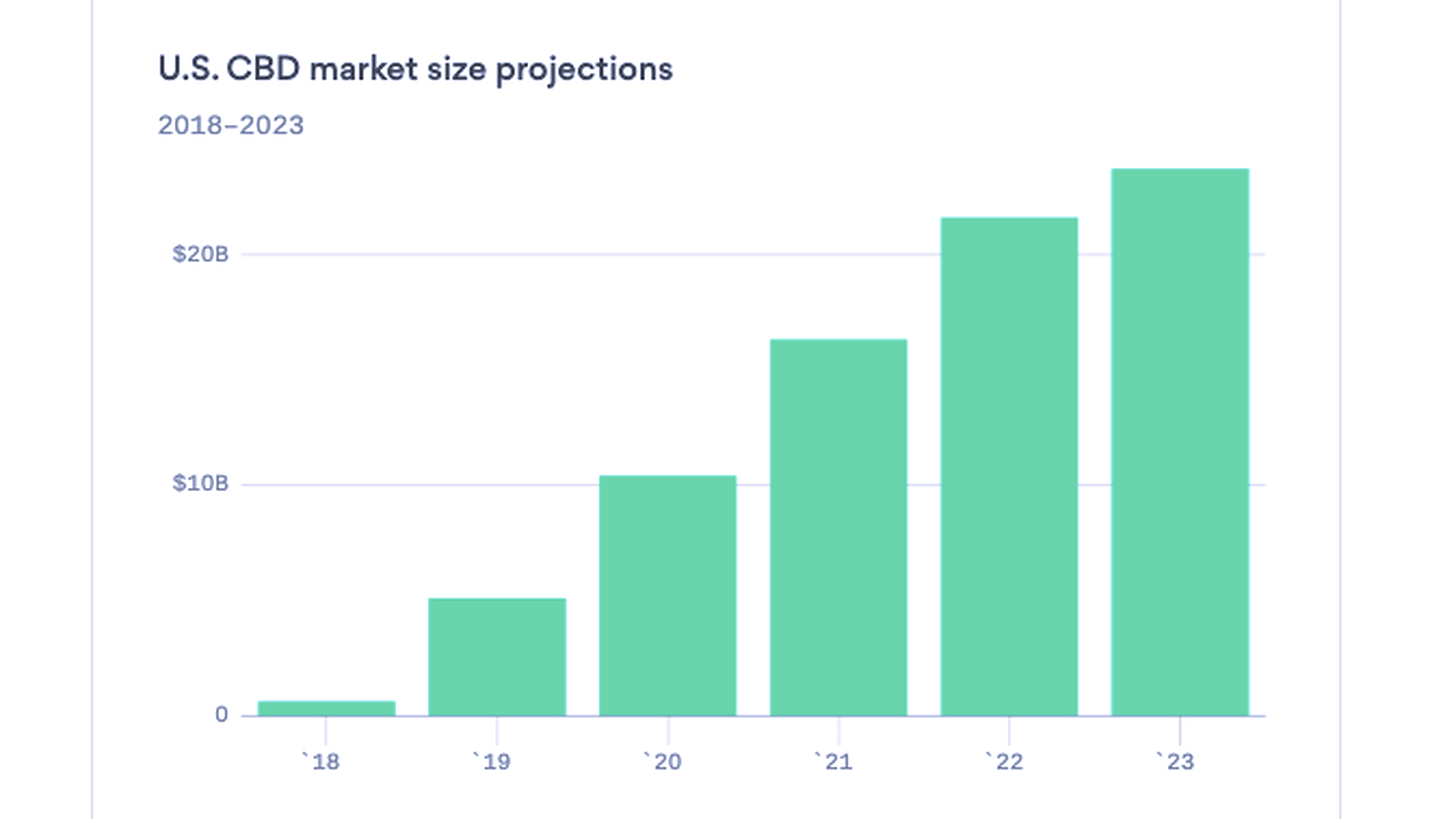
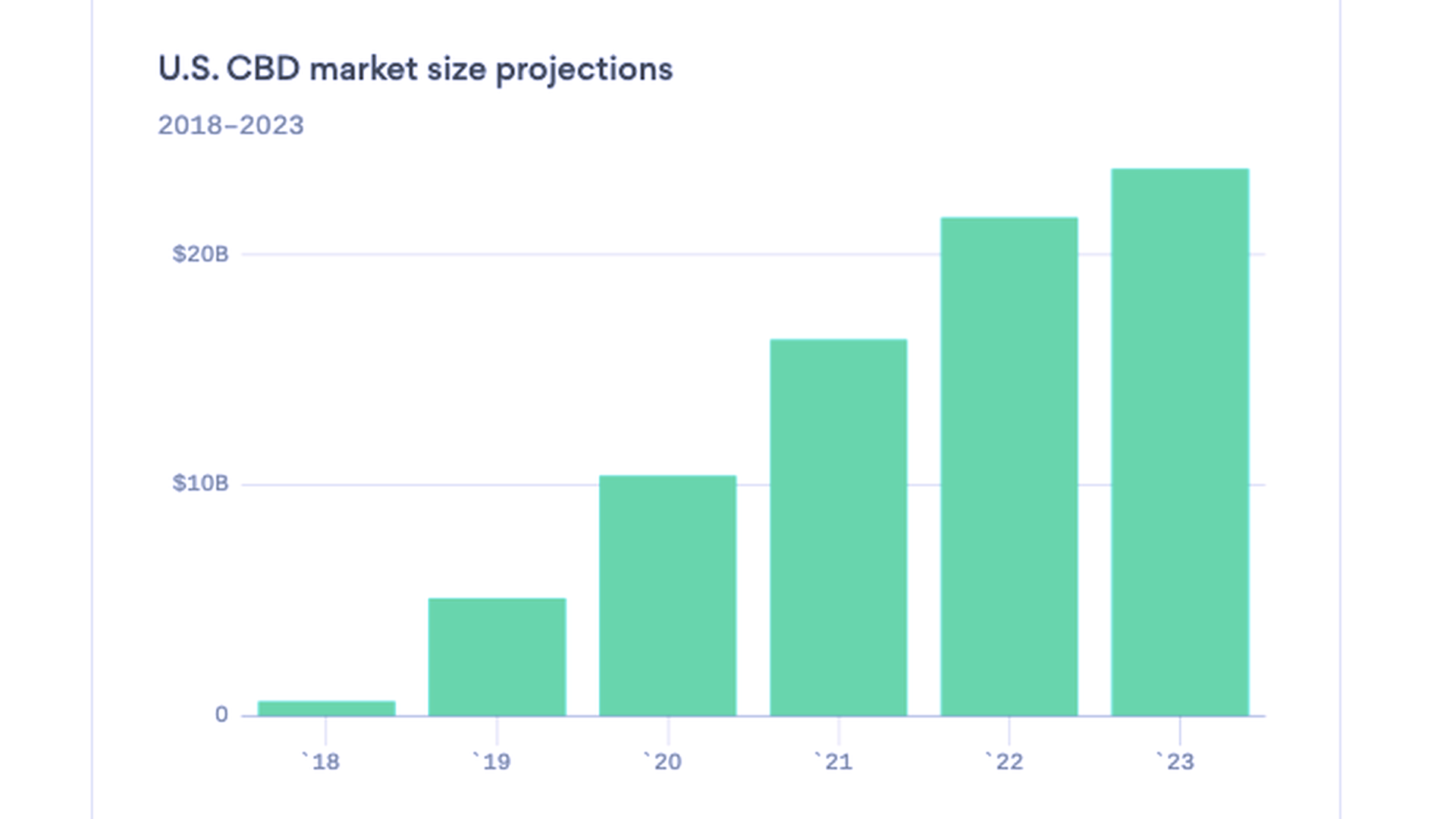
The U.S. CBD market could grow 706% from its 2018 levels by the end of the year - Axios
That would make it a $24 billion industry.
Why it matters: Mainstream acceptance is expected to bring explosive growth, with analysts from Brightfield Group estimating the U.S. CBD market will grow 706% from its 2018 levels by the end of the year, and reach nearly $24 billion by 2023.
Why you'll hear about this again: "Over the short-to medium-term, we expect expansion across both pharma and grocery as well as the emergence of supercenters, gyms, pet stores, natural food chains, and other big box retailers," Brightfield said in a recent publication.


How Buck Mason sold 1 million tees with no VC funding – Glossy
While plenty of direct-to-consumer companies are striving for unicorn status, digitally-native menswear company Buck Mason found chasing funding and quick growth led nowhere fast.
Co-founders Sasha Koehn and Erik Allen Ford started the brand in 2013 with the idea of taking the most essential items in a man’s closet and making them better.
Allen Adamson, co-founder of marketing consultancy Metaforce and adjunct professor at NYU Stern, said the brand’s dedication to creating the best possible T-shirt, and not veering too far from that, has led to its steady, consistent growth.


As Fresh Water Grows Scarcer, It Could Become a Good Investment
Water investing presents an ethical quandary: Are you willing to buy shares of companies that can turn off the taps for needy users?
That’s leading to water-main breaks across the United States and the loss of two trillion gallons a year of drinking water, according to the American Society of Civil Engineers’ 2017 Infrastructure Report Card .
Today, Mr. Smith might still be flummoxed by the price of diamonds, but investment possibilities of water he might attribute to his favorite market forces: supply and demand.
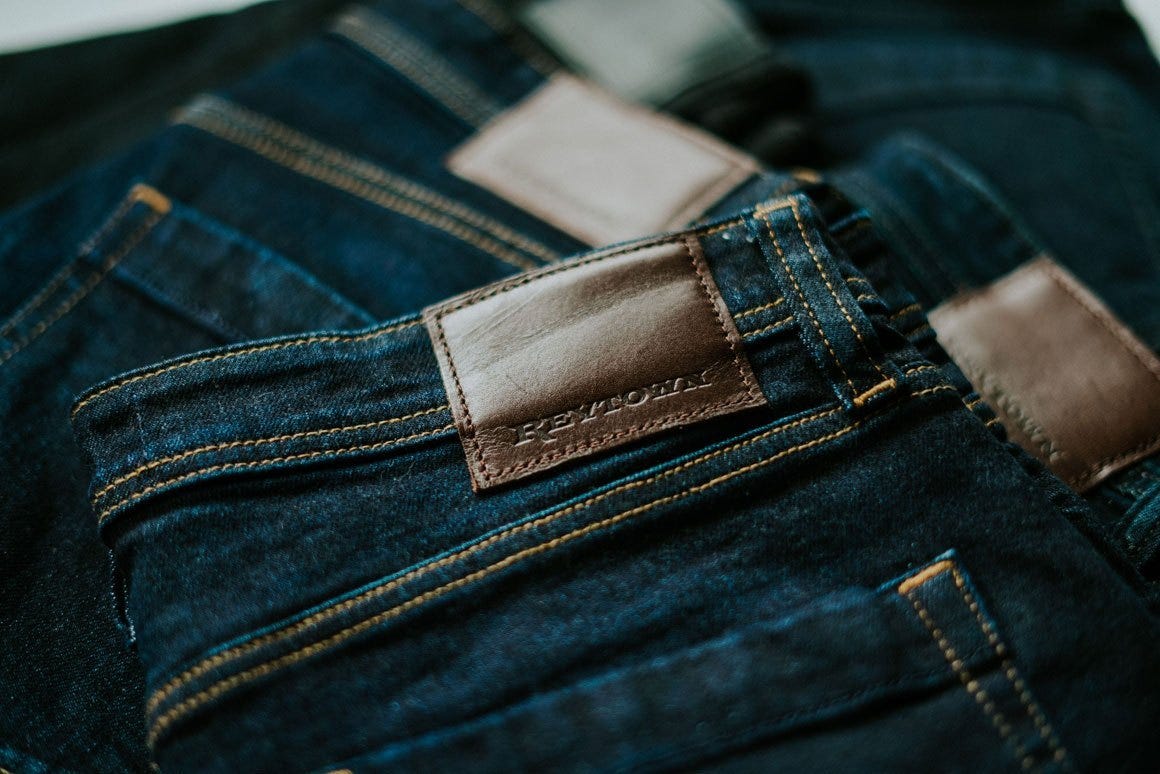
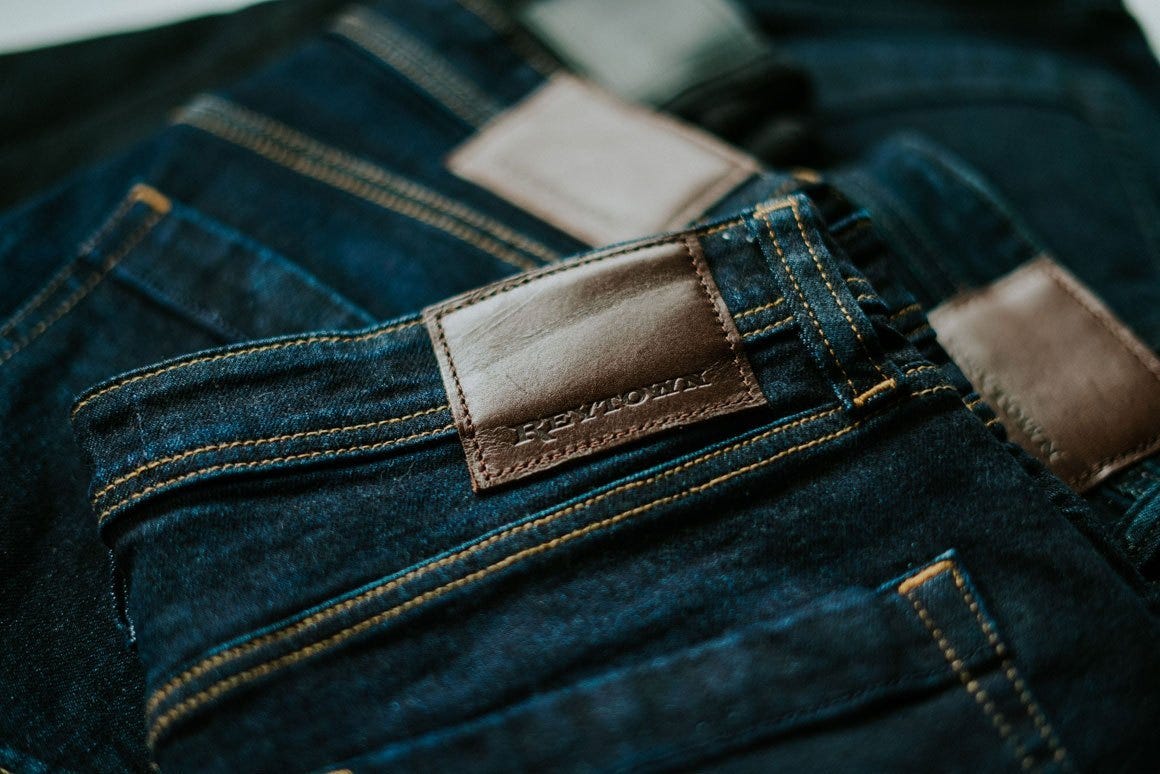
REVTOWN Founder Talks Brand's Place in Denim Category & Their "DECADE DENIM" - Ballerstatus
After rocking their denim jeans for months now and being impressed by their comfort and quality, we chatted with founder Henry Stafford
One of our favorite highlights from the brand is something they call Decade Denim — a soft, super strong yarn made in Italy that is constructed into the pant for a stretch fit.
We also blend in a super strong, durable thread—in fact it’s the strongest thread used in apparel today, like the stuff you might find in football pants or yoga leggings.
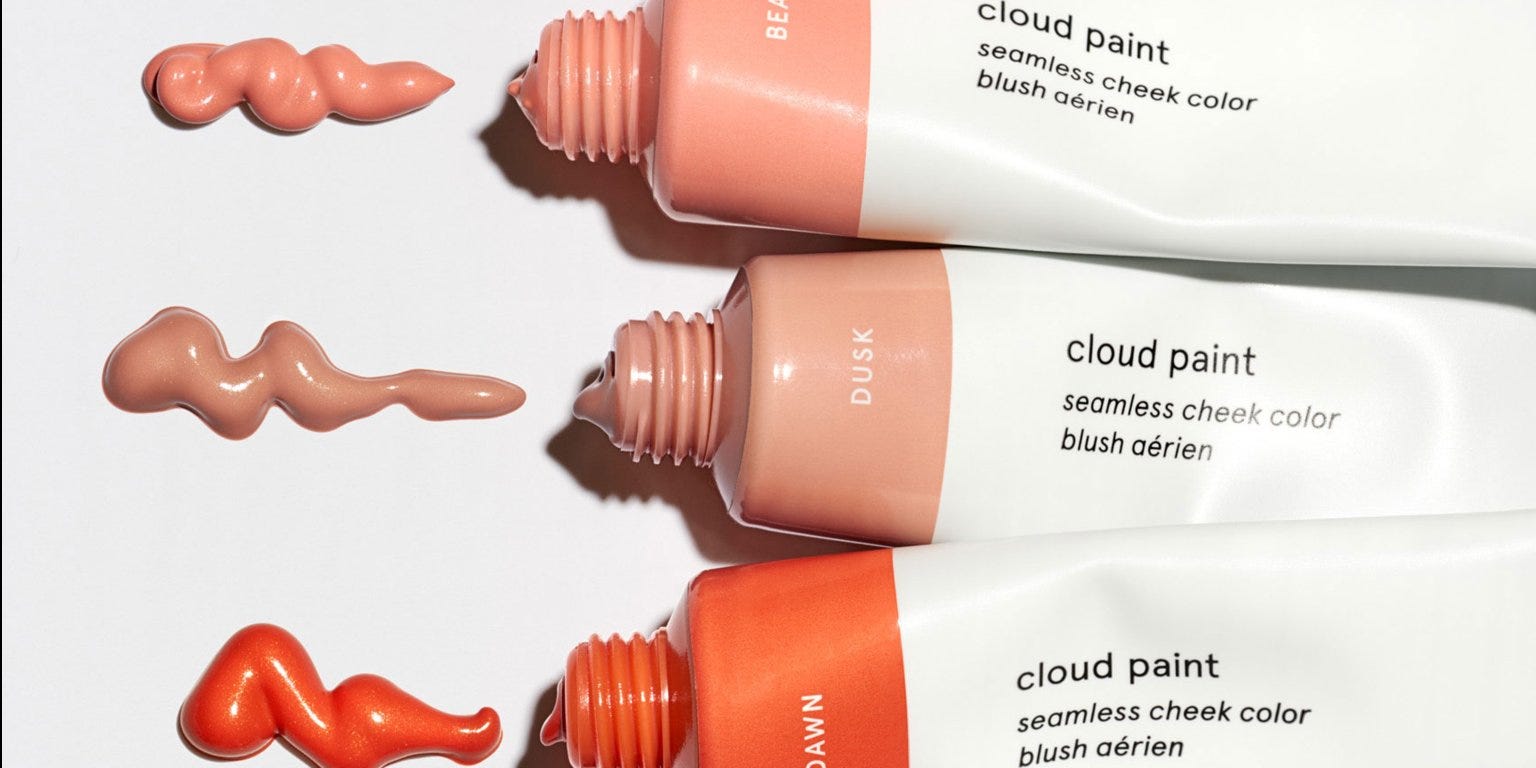
The beauty industry is valued at $532 billion and is on an upward trajectory, according to a report from retail analytics firm Edited.
The rise of beauty vloggers sharing YouTube tutorials and posting about their favorite lipstick on Instagram continues to change the way consumers discover new products and engage with brands.
Thanks to features like Instagram Shopping and Pinterest's shoppable Pins, if consumers see an item they like, they can click on it to learn more and subsequently make a purchase.