Voice Commerce Forecast, Microsoft vs. Slack, Sonders $210M, E-Scooter Business Teardown, Amazon Bank, Power of Platforms
Covering commerce daily from Amazon to Zulily. What are you thinking about?
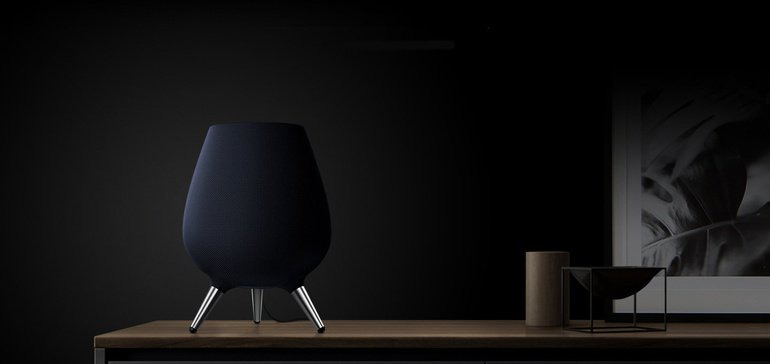
Shopping on smart speakers is growing faster than previously forecast
Revised estimates from eMarketer predict that the number of Americans who shop by the voice-powered devices will rise 31.6% to 31 million this year.
Shopping on smart speakers like Amazon Echo or Google Home is growing faster than previously expected, leading researcher eMarketer to raise its forecast for the number of people using the devices for voice commerce.
Smart speakers are most effective at marketing digital goods like movies and songs, where users can hear a trailer or audio teaser, while physical products such as groceries and electronics are less frequently purchased through the devices.
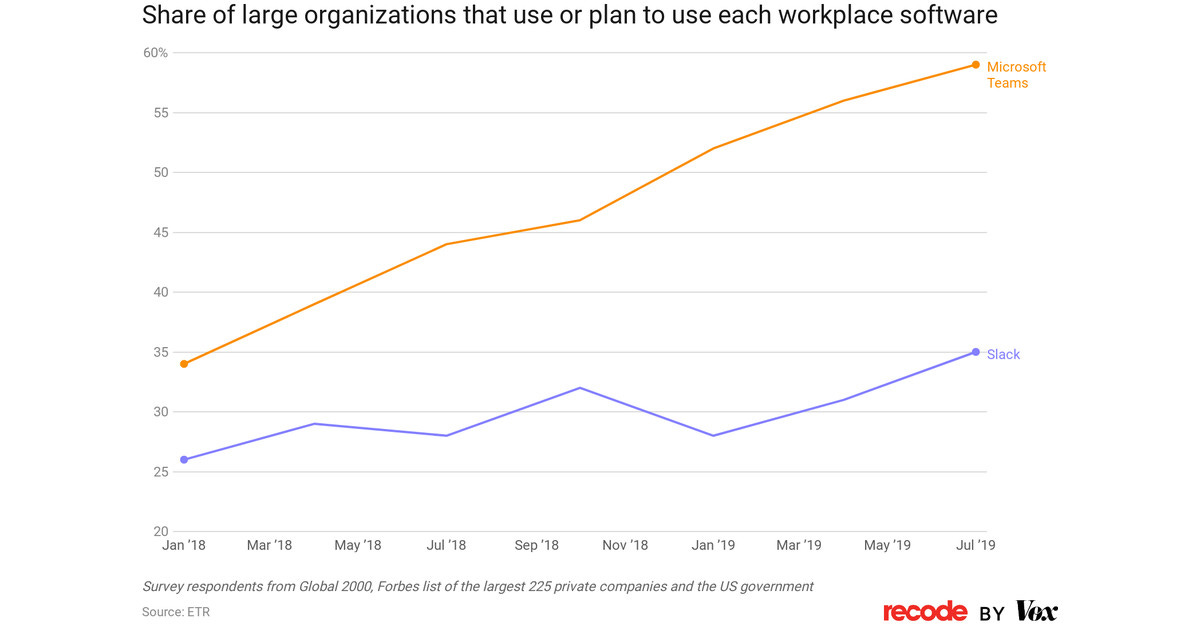
Microsoft is beating Slack because it’s hard to argue with free - Vox
Microsoft Teams isn’t better than Slack, but it is freer.
Aside from potentially upsetting Slack’s high-flying, newly public stock, the situation points to a larger issue of innovation in the tech industry, which is increasingly dominated by only a few juggernauts.
Since products like Slack and Microsoft Teams or Facebook and Snapchat are built on different platforms, the code for each is likely distinct, so copying features is fair game.
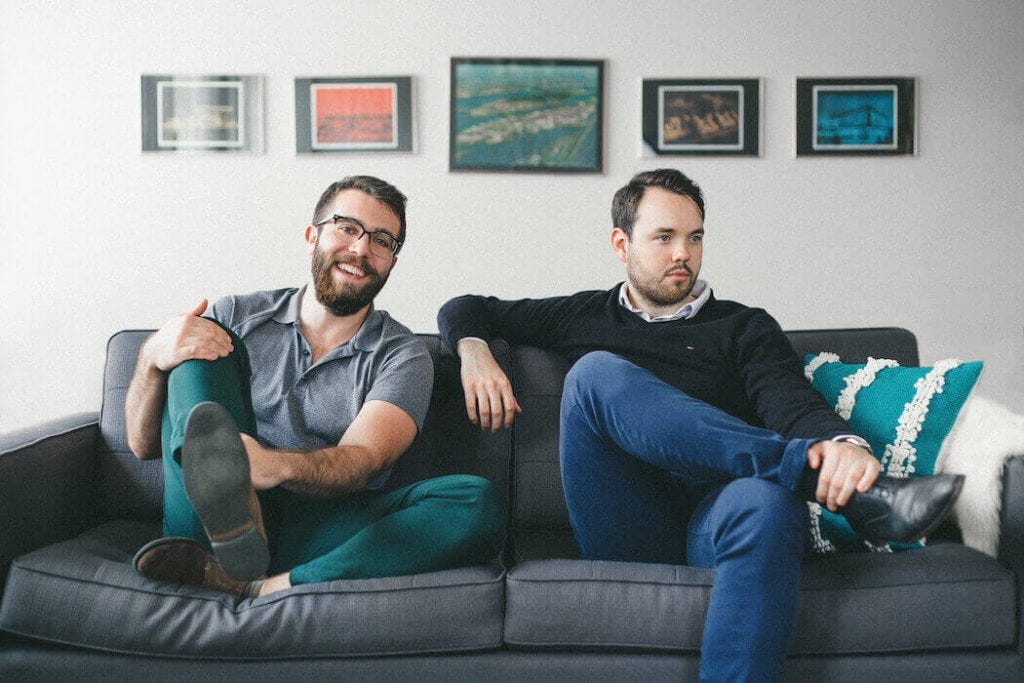
Sonder raises $210 million USD, surpassing $1 billion valuation | BetaKit
Montreal-founded Sonder (formerly Flatbook) has raised a $210 million USD ($274 million CAD) Series D funding round, surpassing a valuation of $1 billion.
The Series D funding round was led by US-based Valor Equity, US real estate and venture entrepreneur Nicholas Pritzker through Tao Capital Partners, and Westcap, which was founded by former Airbnb CFO Laurence Tosi.
In a blog post, Sonder announced that it expects an additional $15 million USD in investment in the coming weeks “from select developers” who will partner with the company on new deals in cities around the world.
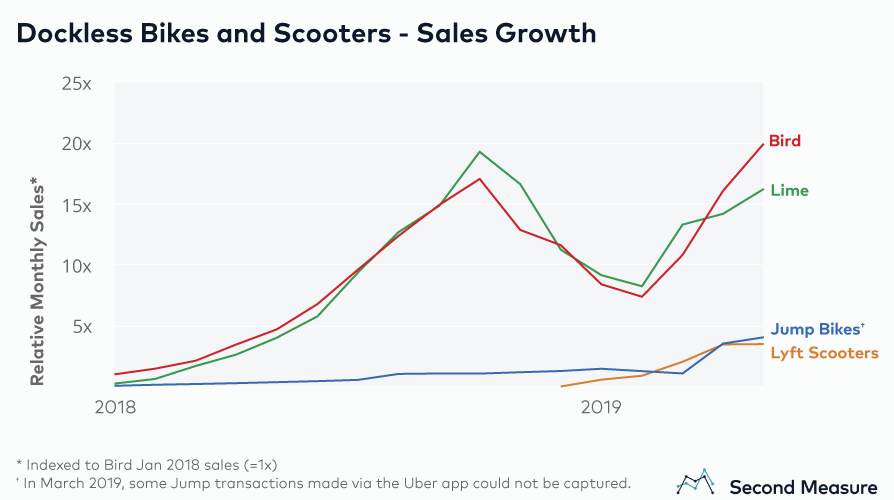
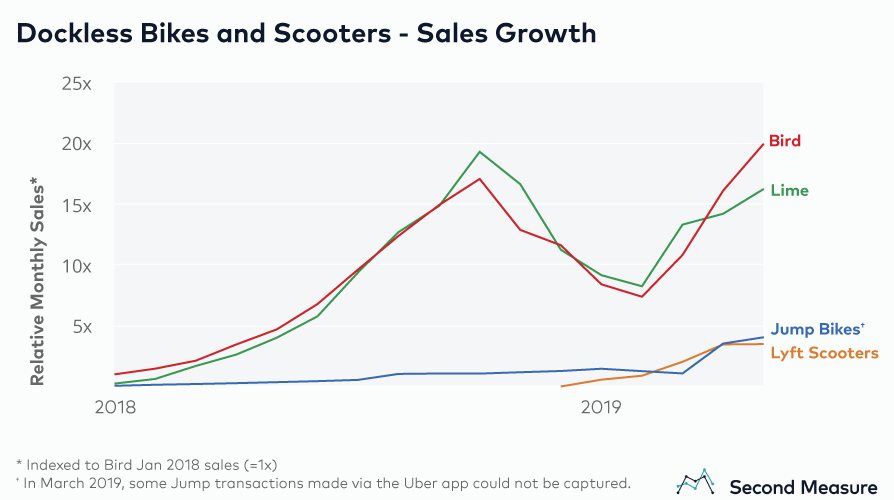
The Other Electric Vehicle Revolution: Myths and Realities in the E-Scooter Business
Almost two years ago, Bird launched the first e-scooter service in Santa Monica, California, and Craft Ventures led the company’s Series A.
VCs have fatigued of funding growth strategies that come at the cost of negative unit economics, and the public companies in the space, Uber and Lyft, are under intense pressure to improve margins.
From Santa Monica to Paris to Tel Aviv, cities increasingly see e-scooters as a critical part of urban mobility and are creating the infrastructure to support them — from expanded bike/scooter lanes to parking spaces.
Amazon's Impending Invasion Of Banking
When will the Amazon invasion in banking arrive? As Mark Twain said, "First slowly, then all at once." Look for a small acquisition by Amazon of some fintech-related provider as the first signal. But when the invasion comes full force, it won't look like a lot of people think it will.
The report points out that the business model of “big techs” (i.e., Alibaba, Amazon, Facebook, Google and Tencent) rest on attracting a large number of providers and consumers and that:
The company will make more money taking a fee for "matching" merchants (and consumers, for that matter) with banks willing to meet the demand that Amazon can't or won't fulfill.
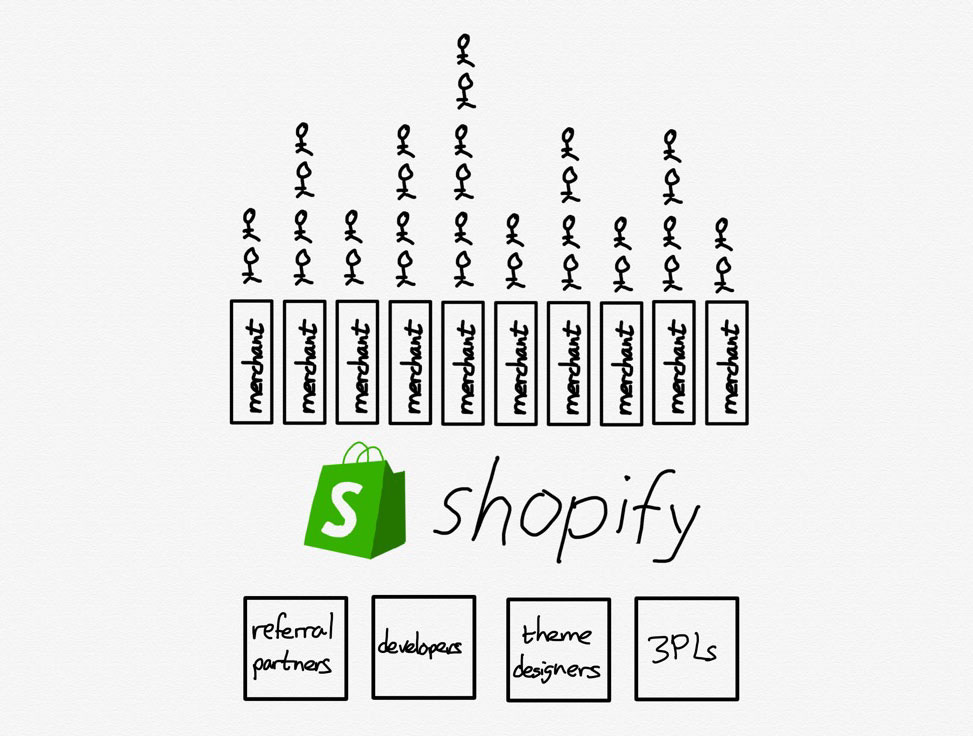
Shopify and the Power of Platforms - Stratechery
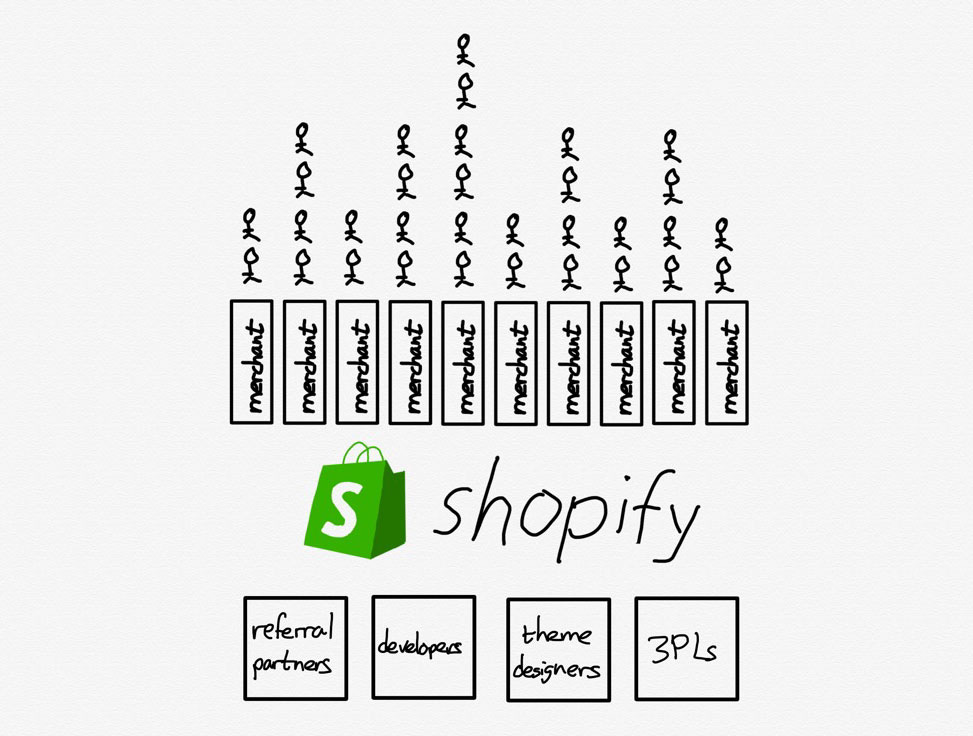
It follows, then, that debates around companies like Google that use the word “platform” and, unsurprisingly, draw comparisons to Microsoft twenty years ago, misunderstand what is happening and, inevitably, result in prescriptions that would exacerbate problems that exist instead of solving them.
The same benefit applies in the opposite direction: merchants don’t have the means to negotiate with multiple 3PLs such that their inventory is optimally placed to offer fast and inexpensive delivery to customers; worse, the small-scale sellers I discussed above often can’t even get an audience with these logistics companies.